
Selling With an Unpermitted Addition in Nevada County? Know This First
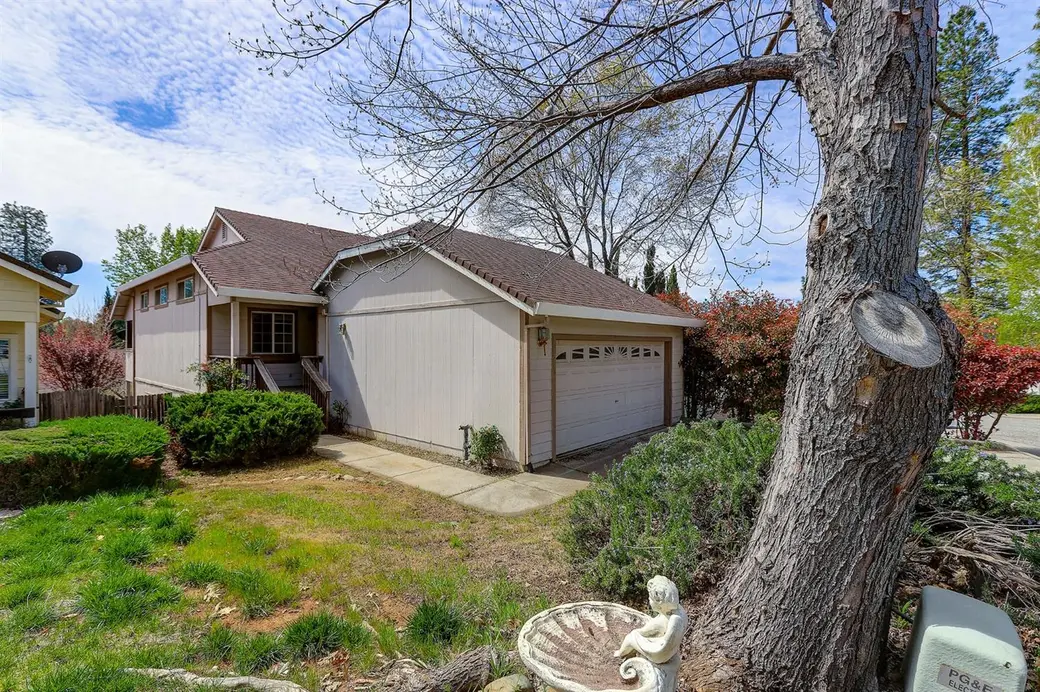
If you're getting ready to sell and you know there's an unpermitted addition somewhere on the property, a converted garage, a bonus room built over the old workshop, a pool put in without an inspection, you might be tempted to just leave it off the paperwork. I get asked about this more than you'd expect here in Nevada County, where a lot of our housing stock is older and has been added onto over the decades. The honest answer is that California law requires you to disclose it, and skipping that step can cost you far more than dealing with it upfront would have. After 20+ years selling homes across Grass Valley, Nevada City, and the surrounding Sierra Foothills, here's what I want every seller to understand before they list.
What Counts as an Unpermitted Addition in Nevada County
An unpermitted addition is any structural change, room, or system added to a property without the required building permit and final inspection sign-off. Around here, the most common examples I see are converted garages turned into living space, sheds or workshops wired for power and plumbing, decks and covered patios built without permits, in-law units added without going through the county, and pools or spas installed without inspection. Rural properties on well and septic sometimes have additional wrinkles too, since septic capacity has to support any added bedrooms.
If you inherited the home or bought it years ago and you're not sure what's permitted, Nevada County's Community Development Agency can run a permit history search on the parcel. It's worth doing this early, well before you list, so you're not finding out from a buyer's inspector instead.
Why Unpermitted Work Has to Be Disclosed in Nevada County
California Civil Code Section 1102 requires sellers to complete a Transfer Disclosure Statement and a Seller Property Questionnaire, and both ask directly about known unpermitted work. Checking "no" when you actually know about an unpermitted addition isn't a gray area, it's considered fraud, and it can lead to a lawsuit for rescission or damages long after your sale has closed.
There are practical consequences too, beyond the legal risk. Lenders can be reluctant to finance a home with significant unpermitted square footage, which can complicate a buyer's loan approval. Appraisers typically won't credit value for the unpermitted portion of a home, which can affect your sale price whether or not anyone ever sues. And because we live in a wildfire-prone part of the state, homeowners insurance is worth a close look here too. If an unpermitted addition is damaged in a fire or other loss, a carrier may deny that portion of the claim or only pay out for the permitted square footage.
Your Options Before You List in Nevada County
Every seller in this situation really has three choices. You can legalize the work retroactively, sell as-is with full disclosure and a price that reflects it, or remove the non-compliant structure entirely. None of these is automatically the wrong answer, it depends on your timeline and the scope of the work.
Nevada County offers an After-the-Fact permit process, sometimes called As-Built permitting, through the Community Development Agency. It lets you apply for retroactive permits and schedule the inspections needed to bring the work into compliance. It's a real option, but it can take several weeks depending on what needs to be verified, so start early if legalizing is the route you want to take. If that timeline doesn't work for your sale, full disclosure paired with an honest, adjusted price is a completely valid path too. I've helped sellers close successfully both ways.
Whichever direction makes sense for you, the worst option is silence. Buyers in Nevada County are used to seeing some unpermitted work in older homes, and most aren't scared off by it as long as it's disclosed clearly and priced fairly. What sinks deals, and sometimes triggers lawsuits, is finding out about it after the fact.
If you're weighing whether to legalize, disclose, or remove an unpermitted addition, I'd start by pulling your permit history and getting a realistic read on your local market. You can get a free, no-pressure estimate of your home's current value as a starting point, and I'm glad to walk through your specific situation from there. For more on what else California requires sellers to disclose, from fire hazard zones to well water quality, I covered that in more detail in Seller Disclosures in Nevada County, CA.
If you're thinking about buying or selling in Nevada County, I'd love to help. With 20+ years of experience and 200+ homes sold across Grass Valley, Nevada City, Lake of the Pines, and the surrounding Sierra Foothills, I know this market well. Reach out at (530) 489-4892 or visit sierrafoothillsrealestate.com/contact, I'm always happy to talk.
Categories
- All Blogs (379)
- Alta Sierra (30)
- Auburn (1)
- Buying a Home (214)
- Featured Listings (2)
- Grass Valley (84)
- Lake of the Pines (43)
- Lake Wildwood (26)
- Market Updates (46)
- Moving to Nevada County (136)
- Neighborhood Guides (54)
- Nevada City (62)
- Nevada County Lifestyle (44)
- Nevada County, CA (278)
- Penn Valley (24)
- Real Estate Tips & Education (148)
- Selling a Home (116)
Recent Posts







GET MORE INFORMATION