
How Home Appraisals Work in Nevada County, CA — A Guide for Buyers and Sellers
How Home Appraisals Work in Nevada County, CA — A Guide for Buyers and Sellers
You've found the right home, the offer is accepted, and then — the appraisal. Here's what actually happens, why it matters more in a rural foothill market, and what to do if the number isn't what you hoped for.

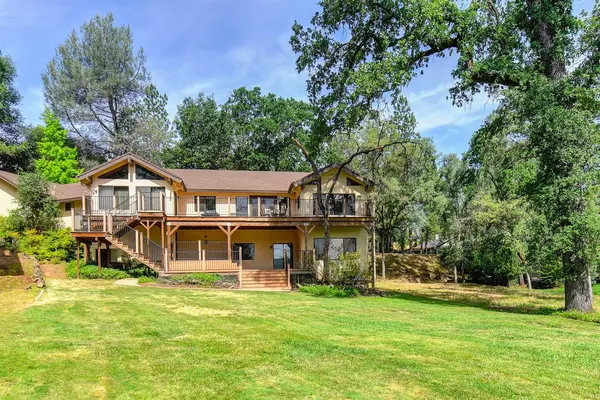
Photo: Unsplash
For most buyers and sellers, the home appraisal is the one step in the transaction that feels the most out of their control — a third party who shows up, walks through the house, and hands down a number that can change everything. Understanding how that number is arrived at, and how to prepare for it, removes most of the anxiety and keeps your deal on track.
In Nevada County, the appraisal process carries some unique considerations that buyers and sellers in more urban markets simply don't encounter. Properties with acreage, wells, septic systems, mountain views, or custom construction can be genuinely difficult to value — because there may be very few recent comparable sales that match. If you're buying or selling in Grass Valley, Nevada City, or anywhere else in the Sierra Foothills, here's what you need to know.
What a Home Appraisal Is — and Why It's Required
A home appraisal is an independent, licensed opinion of your property's market value. Your mortgage lender orders it — not your agent, not you — to confirm the property is actually worth the amount being financed. Lenders won't loan more than a property is worth, so the appraisal protects their investment.
Under federal rules established by the Dodd-Frank Act, lenders must assign appraisers through an independent Appraisal Management Company. Neither the buyer's agent nor the seller's agent has any say in who gets chosen or what the appraiser is told before the visit. The goal is an unbiased number — not one that validates the contract price.
Appraisal vs. Inspection: These are two different things ordered for two different purposes. An appraisal establishes market value for the lender. A home inspection evaluates the physical condition of the property for the buyer. A home can appraise at full value and still have significant inspection findings — or vice versa.
Cash buyers are not required to obtain an appraisal, since there's no lender involved. That said, many experienced cash buyers commission one independently — especially for unique Sierra Foothills properties where the purchase price may be difficult to benchmark against recent sales.
The Appraisal Process Step by Step
Once you and the seller have a signed purchase agreement, the appraisal is ordered early in escrow. Here's how the process unfolds:
| Step | What Happens | Typical Timing |
|---|---|---|
| 1. Contract ratified | Buyer and seller sign the purchase agreement; escrow opens | Day 0 |
| 2. Lender orders appraisal | Lender sends the order through an Appraisal Management Company; appraiser is assigned independently | Days 1–3 |
| 3. Property visit scheduled | Appraiser contacts the listing agent to arrange access; seller prepares the home | Days 3–7 |
| 4. On-site inspection | Appraiser walks the property, measures square footage, photographs condition, notes upgrades and features | 30–90 minutes on-site |
| 5. Comparable sales analysis | Appraiser identifies 3–5 comparable sold properties within the past 3–6 months and adjusts for differences | 1–5 days post-visit |
| 6. Report delivered to lender | Completed appraisal report submitted; lender reviews for underwriting compliance | Days 7–14 from order |
| 7. Buyer receives report | Lender provides the appraisal report to the buyer, typically within 24 hours of receipt | Same day or next day |
| 8. Resolution (if needed) | If value comes in below contract price, buyer and seller negotiate a resolution within the contingency window | Within appraisal contingency period |
In California, the full process from lender order to final report typically takes 7 to 14 days. During busy spring and summer selling seasons, appraiser schedules can be tighter — and in rural markets like Nevada County, finding a qualified appraiser with strong local knowledge can sometimes add a day or two to the timeline.
What the Appraiser Looks At
Appraisers evaluate properties across three broad areas: physical condition, location, and comparable sales. Here's how each factors in:
Physical Condition
The appraiser walks through every room, measuring square footage and noting the number of bedrooms and bathrooms, the quality of finishes, the condition of major systems (roof, HVAC, plumbing, electrical), and any upgrades or improvements. Visible deferred maintenance — a sagging gutter, peeling paint, a deck with rotted boards — creates downward pressure on value. On the other hand, a recently remodeled kitchen or a new roof provides justification for an upward adjustment.
Location and Site
In Nevada County, location means something different than it does in a suburban market. Proximity to Grass Valley or Nevada City, lot size and usability, views, and the presence of a private well and septic system all factor in. Acreage is generally appraised at a diminishing rate — the second acre isn't worth as much as the first, and the fifth acre isn't worth as much as the second. This is important for buyers purchasing rural parcels to understand before going into contract.
Comparable Sales (Comps)
This is where Nevada County gets complicated. Appraisers rely on recent closed sales — typically within the past 3 to 6 months, and ideally within a mile or two — to establish value. In a dense urban market, finding 5 comparable sales in the same neighborhood isn't hard. In the Sierra Foothills, where properties can vary wildly in acreage, construction style, and condition, the appraiser may have to cast a wider net — geographically or in time — to find usable comps. When the comparable pool is thin, adjustments become larger and the appraised value can be less precise.
Nevada County market snapshot: As of late 2025, the median sale price in Nevada County was approximately $610,000 — up about 2.5% year over year. Homes were averaging 71 days on market, and the typical sale-to-list ratio was around 96.9%. That means most homes are selling slightly below asking price, which gives buyers slightly more leverage but also means sellers should price realistically from the start.
Nevada County-Specific Appraisal Challenges
Rural and foothill properties present challenges that urban appraisals don't. Here are the most common ones I see in this market:
Unique or Custom Properties
A hand-built timber-frame home on 10 acres with a view of the Sierra Nevada is genuinely hard to comp. When a property has custom features that go significantly beyond what recently sold in the area, the appraiser may not be able to give full credit for everything that makes it special. Sellers in this situation should work closely with their agent to compile documentation — permits, contractor invoices, architectural plans — that gives the appraiser clear justification to support a higher value.
Well and Septic Systems
Most homes outside of Grass Valley and Nevada City's core are on private wells and septic systems rather than public utilities. Appraisers factor this in, but the condition of those systems matters. Recent well tests, a current septic certification, or a recently pumped septic tank are all documentation worth having ready at the time of the appraisal visit.
Wildfire Risk
Nevada County sits in one of California's highest-risk fire zones — roughly 94% of properties here carry some wildfire exposure over the next 30 years. Some appraisers are beginning to factor fire risk more explicitly into valuations, particularly for properties deep in the wildland-urban interface. Sellers who have made fire-hardening improvements — Class A roofing, ember-resistant vents, defensible space clearing — should document these just as they would any other improvement.
Appraiser Familiarity with the Local Market
Not every appraiser assigned through an AMC will have deep experience in Nevada County. It's worth asking your agent whether they can provide the appraiser with a local comp package at the time of the visit — a curated set of the strongest recent comparable sales, along with context about the neighborhood, to ensure the appraiser has the best available data before writing the report.
What Sellers Can Do to Prepare
Sellers don't control the appraisal, but preparation makes a real difference. Here's what I recommend to every seller I work with in the Nevada County market:
Document every improvement. Create a written list of upgrades with dates, contractors, and costs. Include receipts or invoices if you have them. Roof replaced in 2022? New HVAC in 2024? Permitted addition completed in 2020? Appraisers give more credit to documented improvements than undocumented ones.
Complete minor repairs before the visit. Small deferred maintenance items signal neglect even when the home is fundamentally solid. A fresh coat of paint, a fixed screen door, or a re-stained deck costs relatively little but sends a message about how well the property has been maintained.
Make the home accessible and clean. The appraiser needs access to every room, the garage, the attic access, and ideally the crawl space. A cluttered garage or a locked room creates friction and may lead to assumptions that don't work in your favor.
Provide context your agent can pass along. If there have been recent sales of similar properties in the area that the appraiser might not know about, your listing agent can provide a comp package at the visit. This is especially valuable in Nevada County where the relevant sales may be spread across a wider geographic area than the appraiser expects to search.
What Buyers Need to Know Before the Appraisal
The appraisal is actually designed to protect you as a buyer — it confirms you're not dramatically overpaying relative to current market data. But it can also create complications if you've made a competitive offer above recent comparable sales.
In a balanced market like Nevada County's current one, appraisal gaps are less common than during the peak frenzy years. But they still happen, particularly for unique or desirable properties where competition pushes the price above what the appraiser can justify with closed transactions. It's worth discussing the appraisal risk with your agent before you make an offer — especially if the home is priced above recent comps or if there are features that may be difficult to value.
If you're still in the home search stage, you can browse active listings in Nevada County to get a feel for current pricing relative to recent sales in the neighborhoods you're considering.
What Happens If the Appraisal Comes In Low
A low appraisal isn't a transaction-ender — it's a negotiation event. Here are the most common ways buyers and sellers resolve an appraisal gap:
| Option | How It Works | Best When |
|---|---|---|
| Renegotiate the price | Seller reduces the purchase price to match or approach the appraised value | Seller is motivated, or the gap is larger than $25,000–30,000 |
| Buyer covers the gap | Buyer pays the difference between appraised value and purchase price in additional cash | Buyer has the reserves and the seller won't reduce |
| Split the difference | Buyer and seller each absorb a portion of the appraisal gap | Both parties are motivated to close and the gap is moderate |
| Reconsideration of Value | Agent submits additional comparable closed sales to the appraiser with a formal request to review the valuation | Strong comps exist that the appraiser missed or weighted incorrectly |
| Cancel under contingency | Buyer cancels the transaction under the appraisal contingency and recovers the earnest money deposit | Gap is too large to bridge and no resolution can be reached |
In most cases, an experienced agent on both sides can find a workable path forward. The Reconsideration of Value option is worth knowing about — if your agent believes the appraiser missed a relevant comparable sale or made a significant adjustment error, a formal challenge with supporting data can sometimes move the number.
Know your contingency window: California purchase agreements typically include an appraisal contingency that gives buyers a defined number of days to address a low appraisal before they must either proceed or cancel. Don't let that deadline pass without a clear plan — missing the contingency deadline can put your earnest money at risk.
What Appraisals Don't Cover
A few things worth knowing: the appraisal is not a home inspection. Appraisers are evaluating market value, not the detailed condition of every system in the house. They'll note obvious deficiencies, but they're not testing the well, running the dishwasher, or crawling through the attic. That's what your home inspection is for.
For buyers who want a complete picture of both the value and the condition of a home before closing, a thorough home inspection conducted by a licensed California home inspector is essential — independent of the appraisal.
Wondering what your home might be worth in today's market? You can get a rough estimate of your Nevada County home's value here, or reach out directly for a more detailed analysis based on recent comparable sales in your specific neighborhood.
The Bottom Line on Appraisals in Nevada County
The appraisal doesn't have to be a black box. Understanding how appraisers think — what they're measuring, what they're comparing, and where they can and can't give credit — puts you in a much better position whether you're buying or selling in the Sierra Foothills.
Preparation on the seller side, clear communication with your agent, and a willingness to work through any gap that arises are the three things that consistently lead to smooth closings here in Nevada County. The market is more balanced right now than it's been in several years, which generally means both sides have room to negotiate if a number comes in below expectations.
If you're thinking about buying or selling in Nevada County, I'd love to help. With 20+ years of experience and 200+ homes sold across Grass Valley, Nevada City, Lake of the Pines, and the surrounding Sierra Foothills, I know this market well. Reach out at (530) 489-4892 or visit sierrafoothillsrealestate.com/contact — I'm always happy to talk.
Categories
- All Blogs (378)
- Alta Sierra (30)
- Auburn (1)
- Buying a Home (213)
- Featured Listings (2)
- Grass Valley (84)
- Lake of the Pines (43)
- Lake Wildwood (26)
- Market Updates (46)
- Moving to Nevada County (136)
- Neighborhood Guides (54)
- Nevada City (62)
- Nevada County Lifestyle (44)
- Nevada County, CA (278)
- Penn Valley (24)
- Real Estate Tips & Education (147)
- Selling a Home (115)
Recent Posts








GET MORE INFORMATION