
Property Taxes in Nevada County, CA: What Every Home Buyer Needs to Know
Property Taxes in Nevada County, CA: What Every Home Buyer Needs to Know
One of the most common surprises new homeowners face — especially those relocating from out of state — is their first property tax bill. Here's a plain-English guide to how it all works in Nevada County.

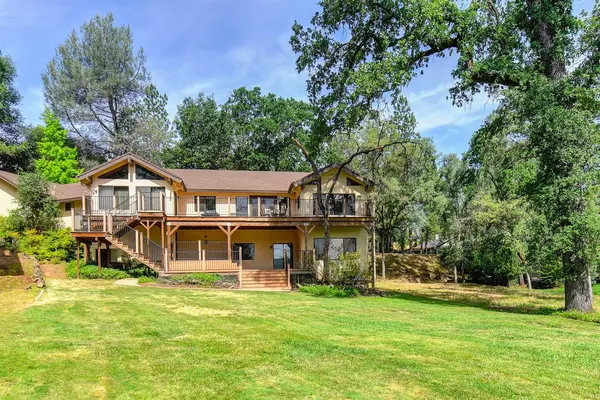
Photo: Unsplash
Buying a home is exciting — and expensive. Beyond the down payment and closing costs, property taxes are one of the biggest ongoing costs of homeownership. If you're shopping for homes in Nevada County, understanding how California's property tax system works will help you budget accurately and avoid any unpleasant surprises after you close.
California's property tax rules are different from many other states. Thanks to Proposition 13 — passed by voters in 1978 — homeowners here benefit from some of the most stable tax structures in the country. But there are a few things you need to know before you sign on the dotted line.
How Proposition 13 Works
Proposition 13 is the foundation of California property taxes. It does two important things:
1. Caps your tax rate at 1% of assessed value. The basic tax rate cannot exceed 1% of your property's assessed value. On a $600,000 home, that's a base tax of $6,000 per year before any additional charges (more on those in a moment).
2. Limits how fast your assessed value can grow. Once you own the property, the county can only increase your assessed value by a maximum of 2% per year, regardless of what the real estate market does. That means your property taxes stay predictable year over year — you won't suddenly face a massive tax increase just because your neighbors sold their home for a lot more than you paid.
The key number: Your assessed value is set at your purchase price the year you buy. If you pay $750,000 for a home in Grass Valley, the county sets your base-year assessed value at $750,000 — and that's what your taxes are based on going forward, growing no more than 2% per year.
What's Actually on Your Tax Bill
The 1% base rate is just the starting point. Your Nevada County property tax bill will include:
| Component | What It Is | Typical Amount |
|---|---|---|
| Base tax (Prop 13) | 1% of assessed value | 1.00% |
| Voter-approved bonds | School, community college, library bonds passed by local voters | 0.05–0.25% |
| Special assessments | Fire, road, lighting, or flood control districts | Varies by parcel |
In most of Nevada County, the effective total tax rate lands somewhere between 1.1% and 1.3% of assessed value. Gated communities and HOA areas (like Lake Wildwood or Lake of the Pines) may also have HOA dues that function similarly to assessments — though those are paid separately, not through your tax bill.
The Supplemental Tax Bill: What Surprises Most Buyers
This is the one that catches people off guard. When you purchase a home in California, the county reassesses the property at your purchase price and generates a supplemental tax bill in addition to your regular annual tax bill.
Here's why: The previous owner may have owned the home for 20 years and been paying taxes on a much lower assessed value — say $280,000 on a home you just bought for $700,000. The county needs to "catch up" to the new assessed value, and the supplemental bill covers the difference from your close-of-escrow date through June 30 (the end of the fiscal year).
Practical tip: Supplemental bills arrive separately from your regular tax bill — sometimes months after you've moved in. They won't go to your lender's escrow account automatically. Set aside funds to cover this and watch your mail. You can estimate your supplemental tax at ParcelQuest.com using your parcel number.
Does Your Lender Pay Property Taxes?
If you have an impound account (also called an escrow account) with your lender, your lender collects a portion of your annual property taxes each month and pays the regular bill on your behalf. However, the supplemental tax bill is your responsibility to pay directly, even if you have an impound account. Your lender isn't automatically notified of the supplemental bill.
The Homeowners' Exemption
Once you move into your new home as your primary residence, you qualify for the California Homeowners' Exemption, which reduces your assessed value by $7,000 for tax purposes. On a $700,000 home, that saves you about $70 per year — not enormous, but free money you shouldn't leave on the table.
To claim it, file a Homeowners' Exemption claim with the Nevada County Assessor's Office (950 Maidu Avenue, Nevada City). The deadline is February 15 of the tax year for a full exemption, though a partial exemption is available if you file later. You only need to file once as long as you continue to own and occupy the home.
When Are Property Taxes Due?
California property taxes are split into two installments:
| Installment | Covers | Due Date | Delinquent After |
|---|---|---|---|
| 1st installment | July 1 – December 31 | November 1 | December 10 |
| 2nd installment | January 1 – June 30 | February 1 | April 10 |
Miss the December 10 or April 10 deadlines and a 10% penalty is added immediately. It's easy to remember: "No Darn Fooling Around" — November, December, February, April.
How to Estimate Your Taxes Before You Buy
Before making an offer on any property in Nevada County, you can get a solid estimate of your future tax bill by following these steps:
Step 1: Take your offer price and multiply by approximately 1.2% to get a conservative annual estimate. (Example: $650,000 × 0.012 = $7,800/year.)
Step 2: Look up the specific parcel at Nevada County's Treasurer-Tax Collector to see the current year's tax charges. This gives you the actual special assessments for that specific parcel and district.
Step 3: Ask your real estate agent. A good local agent will pull the current tax information for any home you're seriously considering — it's a standard part of the due diligence process when you're buying in Nevada County.
Appealing Your Assessment
If you believe your assessed value is higher than your home's actual market value — particularly if the market has dipped since your purchase — you have the right to appeal. The Nevada County Assessment Appeals Board accepts applications between July 2 and November 30 each year. You'll need to provide documentation of comparable sales to support your claim.
Under Proposition 8, the county assessor can also temporarily reduce assessed values when market values fall below the Prop 13 factored base value. If you think this applies to your home, contact the Assessor's Office directly at (530) 265-1232.
Prop 19: Parent-Child and Grandparent-Grandchild Transfers
If you're inheriting a home in Nevada County from a parent or grandparent, Proposition 19 (passed in 2020) significantly changed the rules for keeping the previous owner's lower tax base. Under Prop 19, to retain the lower assessed value, the inherited home must become your primary residence within one year. There are caps on how much of the lower assessment carries over as well.
If you're in this situation — either inheriting a property or planning to pass your home to your children — consult with a local real estate attorney or CPA familiar with California tax law. The rules have nuance worth understanding before you make decisions about the transfer.
A Note on the Williamson Act
If you're eyeing rural acreage or agricultural land in Nevada County, be aware of the Williamson Act. Properties enrolled in the Williamson Act program receive a reduced tax assessment in exchange for keeping the land in agricultural or open-space use for a minimum of 10 years. If a property you're considering is under Williamson Act contract, your use of the land will be restricted — and if you cancel the contract, taxes increase gradually over the cancellation period. This is especially relevant for buyers looking at Penn Valley or rural parcels in the Sierra Foothills.
The Bottom Line for Nevada County Buyers
California's Prop 13 framework is genuinely buyer-friendly in the long run — your taxes stay stable and predictable once you're in. The main things to prepare for are:
- An effective tax rate of roughly 1.1–1.3% of your purchase price annually
- A supplemental tax bill arriving several months after closing — budget for it
- Filing your Homeowners' Exemption by February 15
- Knowing your installment due dates so you avoid penalties
If you want to see exactly what the tax burden looks like for a specific home you're considering, I'm happy to pull that information for you before you make an offer. Understanding the full cost of homeownership in Nevada County — including taxes, insurance, and maintenance — is something I walk every buyer through so there are no surprises after closing.
If you're thinking about buying or selling in Nevada County, I'd love to help. With 20+ years of experience and 200+ homes sold across Grass Valley, Nevada City, Lake of the Pines, and the surrounding Sierra Foothills, I know this market well. Reach out at (530) 489-4892 or visit sierrafoothillsrealestate.com/contact — I'm always happy to talk.
Categories
- All Blogs (378)
- Alta Sierra (30)
- Auburn (1)
- Buying a Home (213)
- Featured Listings (2)
- Grass Valley (84)
- Lake of the Pines (43)
- Lake Wildwood (26)
- Market Updates (46)
- Moving to Nevada County (136)
- Neighborhood Guides (54)
- Nevada City (62)
- Nevada County Lifestyle (44)
- Nevada County, CA (278)
- Penn Valley (24)
- Real Estate Tips & Education (147)
- Selling a Home (115)
Recent Posts








GET MORE INFORMATION